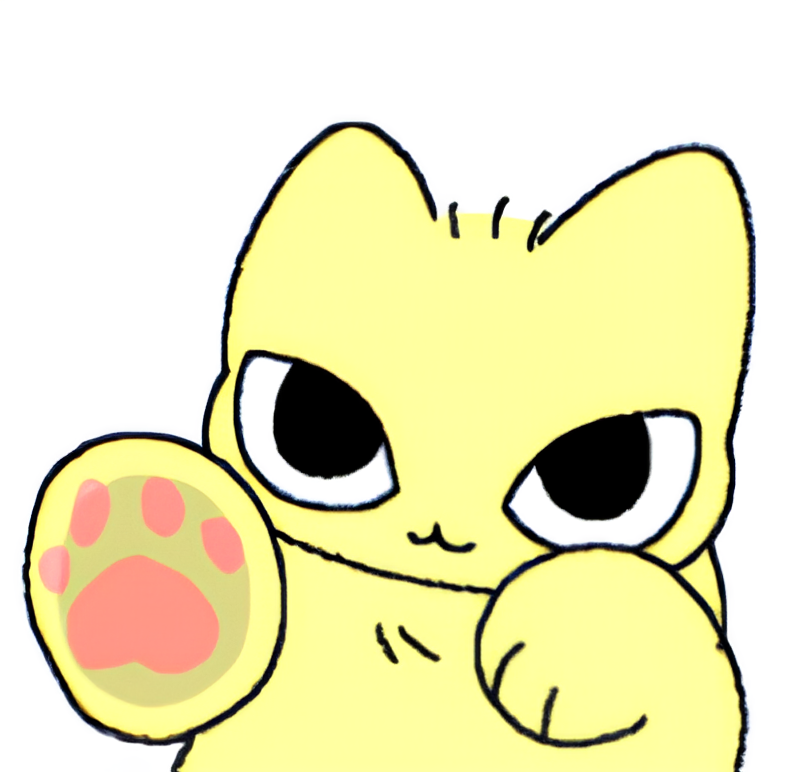
The Story of Tuki
From a simple doodle to a global phenomenon - this is the incredible journey of Japan's most beloved sticker character.

The Birth of Tuki
In the spring of 2019, in a cozy apartment in Shibuya, Tokyo, a young illustrator named Yuki Tanaka sat at her desk, surrounded by sketchbooks and colorful pens. She had been trying for months to create a character that could express the emotions that words often fail to capture.
One rainy evening, while waiting for her instant noodles to cook, she absentmindedly drew a small, round face with big expressive eyes. Something about it felt different. It was not just cute—it felt alive. She named it "Tuki" after the moon, because it seemed to glow with a gentle, comforting light.
The LINE Revolution
After sharing Tuki drawings with friends, Yuki was encouraged to submit them to LINE's sticker marketplace. She created 40 different expressions, each one carefully crafted to convey a specific feeling—from overwhelming joy to quiet contentment, from excited anticipation to cozy relaxation.
The response was immediate and overwhelming. Within the first week, Tuki stickers were downloaded over 1 million times. People found that Tuki could say things they could not put into words. A single Tuki sticker could comfort a friend, celebrate a victory, or simply say "I'm thinking of you."
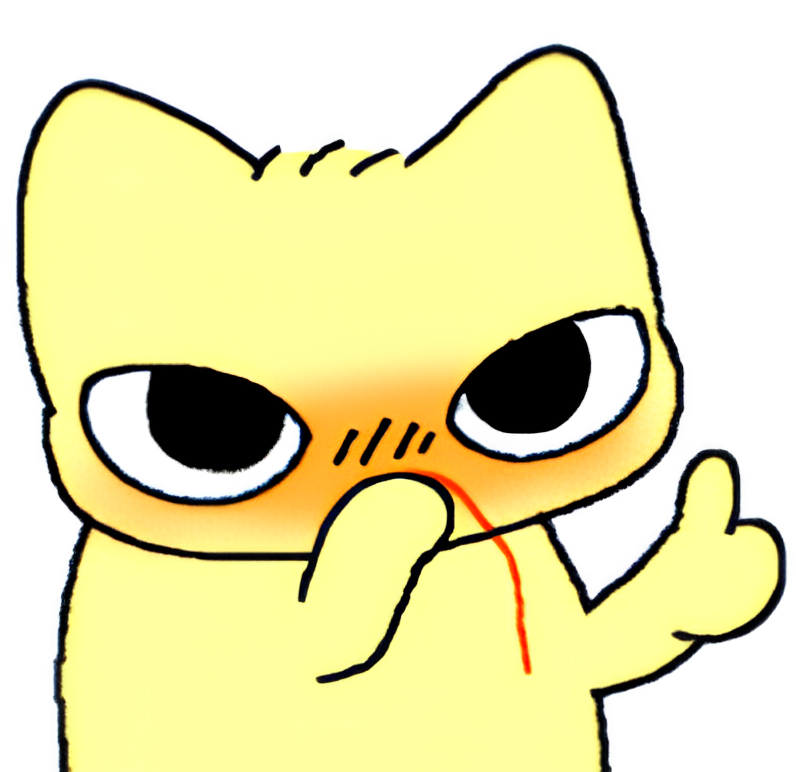
A Global Sensation
What started in Japan quickly spread across Asia, then to Europe, the Americas, and beyond. Tuki transcended language barriers because emotions are universal. A mother in Brazil could send the same happy Tuki to her daughter as a teenager in Seoul would send to her best friend.
By 2021, Tuki had become the #1 most-used sticker in Japan, with over 500 million downloads worldwide. The character had become more than a sticker—it had become a way for people to connect on an emotional level across the digital divide.

Cultural Impact
Tuki became a symbol of kawaii culture's evolution into the digital age. Universities studied how the character facilitated emotional communication. Psychologists noted how using Tuki stickers helped people express vulnerability more easily.
Merchandise followed—plushies that sold out in minutes, clothing lines, and even a collaboration with major brands. But Yuki ensured that Tuki remained true to its core purpose: helping people connect through shared emotions.
The Web3 Chapter
In 2024, Tuki embarked on a new adventure—entering the blockchain world. This was not about speculation or hype. It was about building a community of people who believe in the power of positivity and emotional connection.
The Tuki community on Solana carries forward the same spirit that made the stickers beloved: spreading joy, supporting each other, and proving that in a world of complexity, sometimes the simplest expressions of emotion are the most powerful.
Fun Facts About Tuki
Things you might not know about your favorite sticker
Name Meaning
Tuki comes from the Japanese word for "moon"
Design Time
Each expression takes Yuki about 4 hours to perfect
Most Popular
The "happy hug" Tuki is sent over 10 million times daily
Languages
Tuki has been localized for 50+ countries
Merchandise
The first plush toy sold out in 47 seconds
Fan Art
Over 2 million pieces of Tuki fan art exist online
"I never imagined Tuki would touch so many hearts. All I wanted was to create something that could make people smile, even on their hardest days."
— Yuki Tanaka, Creator of Tuki